Papain for Dough Relaxation and Protein Modification
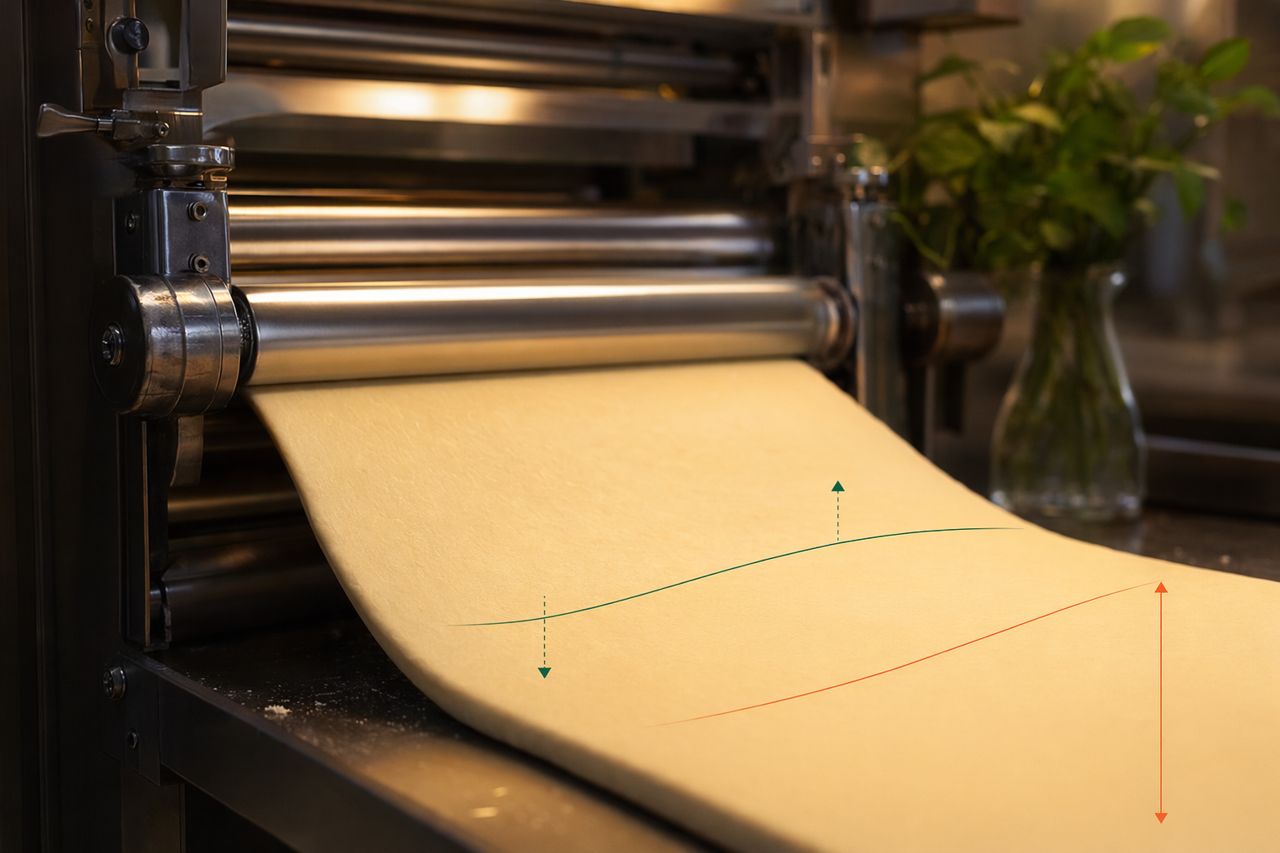
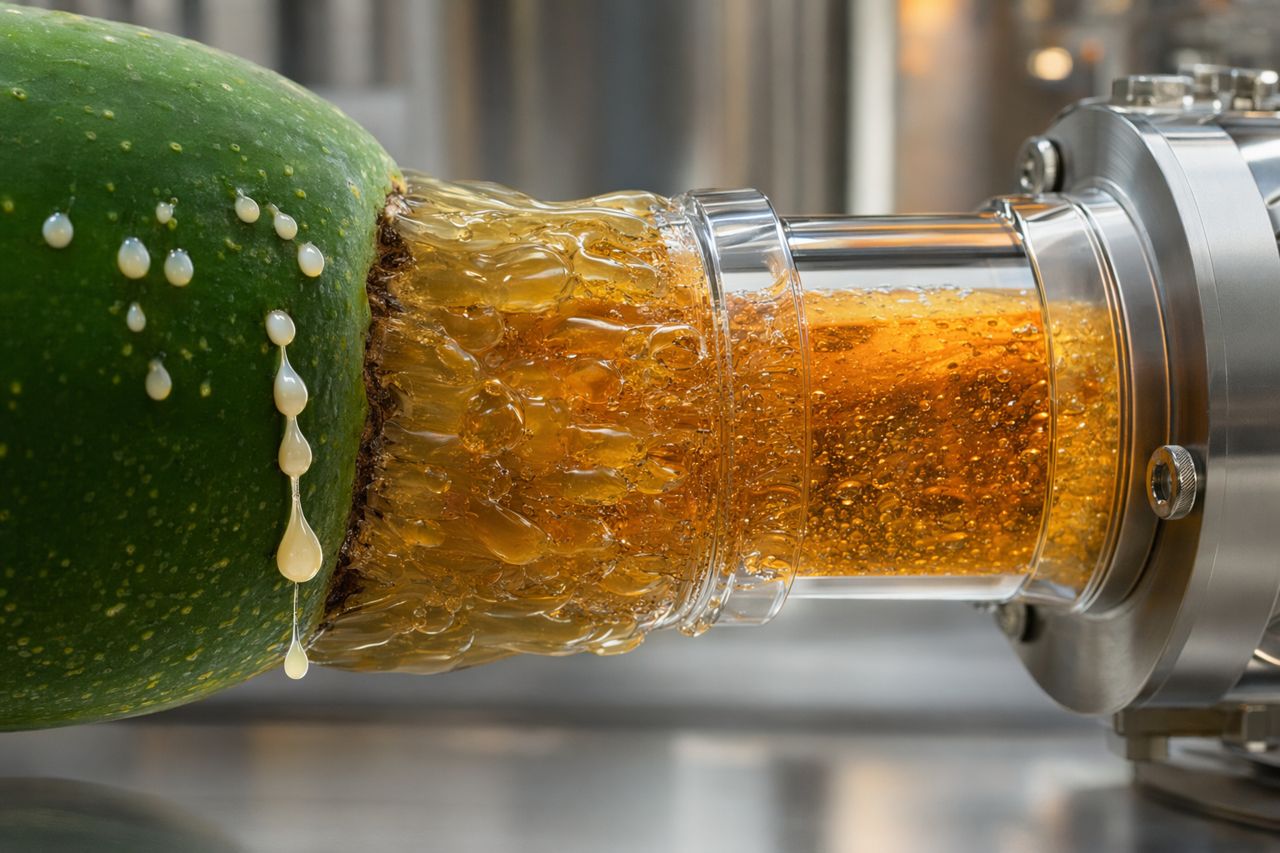
Papain is a plant-derived protease used in bakery systems where controlled protein modification can improve dough handling, forming behavior, and finished texture. For formulation scientists and process teams, the value is not aggressive breakdown; it is calibrated relaxation of the protein network so dough moves through the line with less resistance and more predictable response.
Papain is positioned for industrial bakery development where extensibility, shrinkage control, bite, and line consistency matter as much as label fit and procurement reliability.

Why Papain is used in dough systems
Wheat flour proteins create structure, elasticity, and resilience. In some bakery applications, that strength becomes operational friction: dough snaps back after sheeting, resists stamping, shrinks after forming, or produces a bite that is firmer than the product target. Papain can selectively modify those proteins to help reduce resistance and support a more workable dough.
Typical outcomes may include:
- Improved dough extensibility during sheeting or lamination
- Reduced elastic recovery and snap-back after forming
- Cleaner cutting, stamping, or moulding behavior
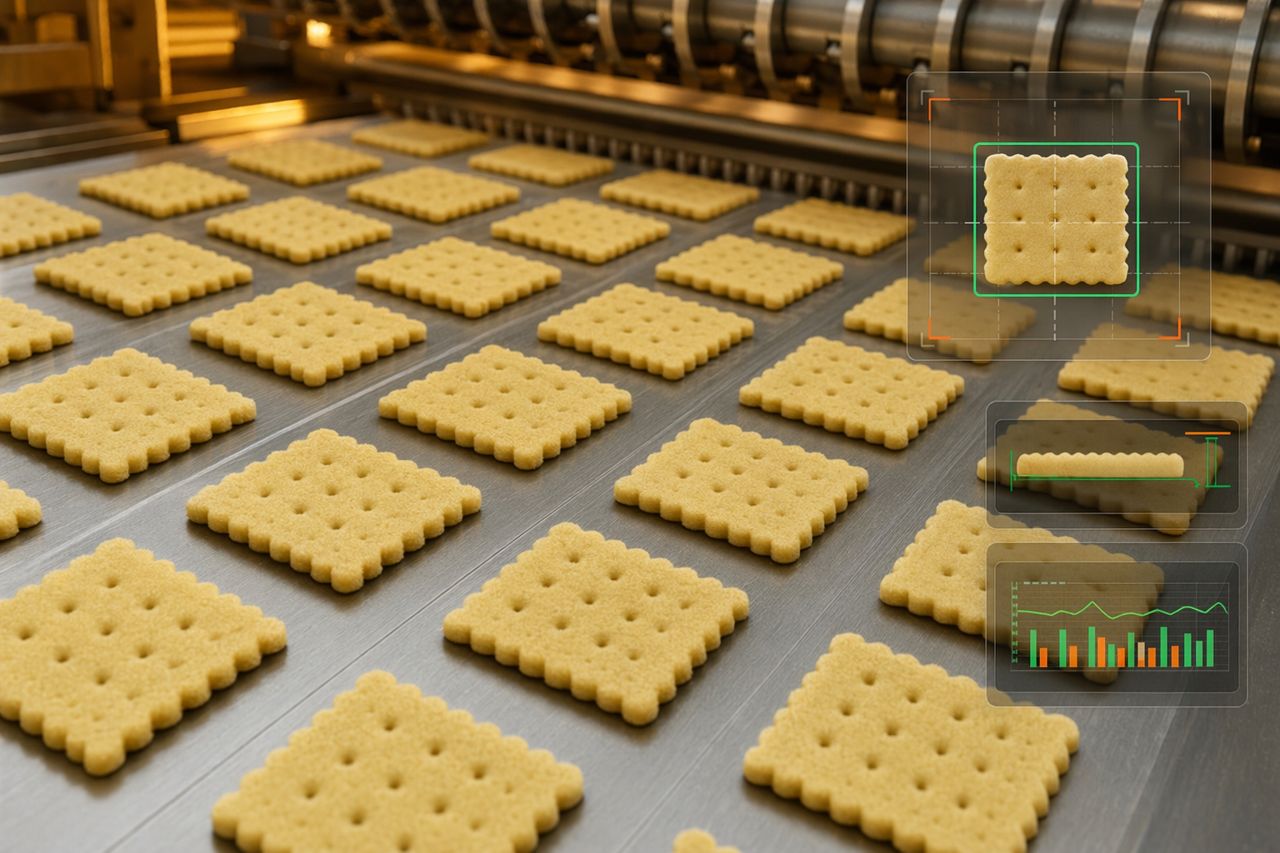
- More consistent piece geometry on high-throughput lines
- Texture adjustment in products where a shorter or more tender bite is desired
- Lower mechanical stress on dough handling equipment
- Better process tolerance when flour strength varies between lots
Papain is especially relevant where the product needs controlled relaxation without changing the core identity of the formula.
Bakery applications where Papain can help
Crackers and savory biscuits
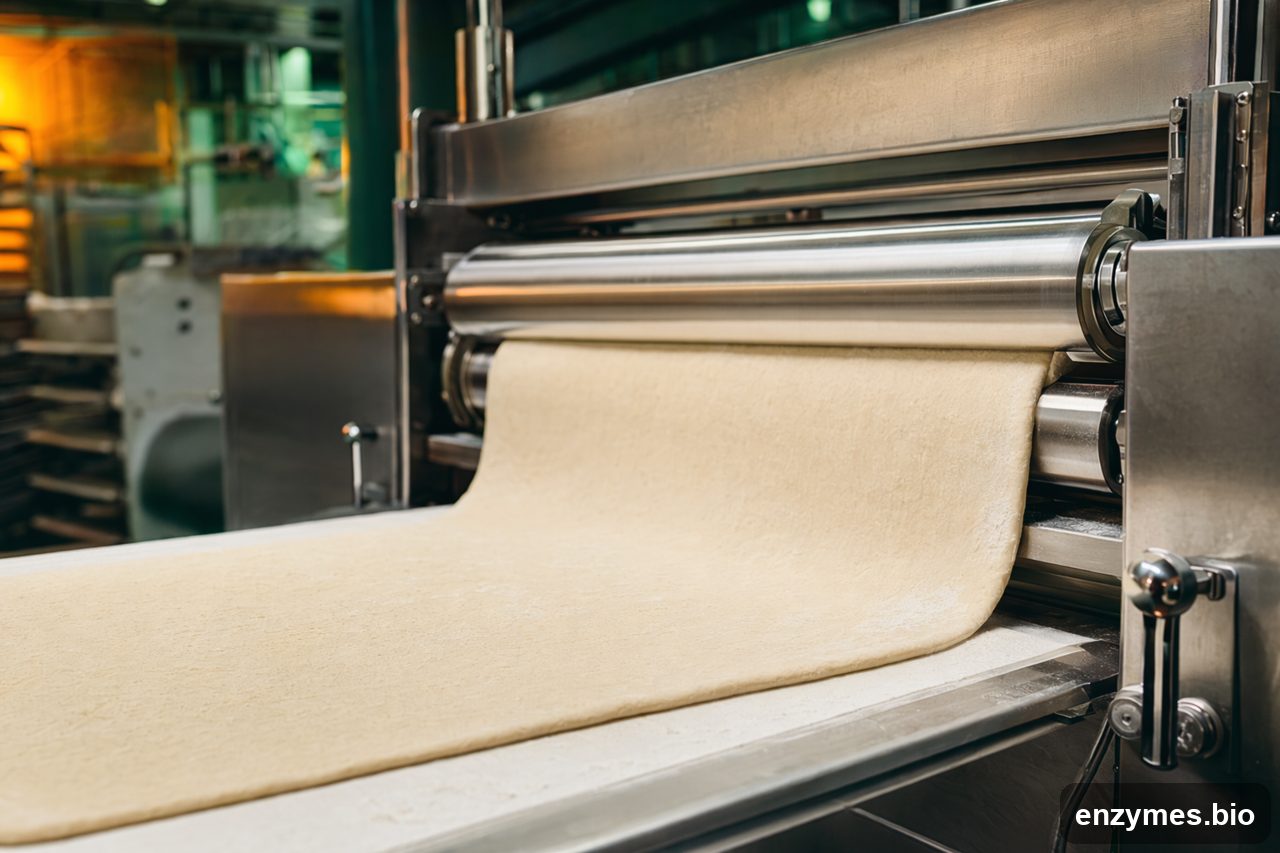
In cracker and biscuit lines, strong gluten development can create shrinkage, distortion, and tension during sheeting. Papain can help relax the protein network, supporting smoother gauge-roll performance and more uniform dough piece dimensions.
Wafers and thin-sheeted products
Thin-sheeted doughs are sensitive to resistance, tearing, and uneven tension. Controlled Papain use can support smoother sheet flow and reduce variability in downstream forming.
Pizza bases and flatbreads
For doughs that need to stretch without excessive snap-back, Papain can help tune extensibility while preserving a formulated chew profile. The goal is balance: easier handling without over-softening.
Cookies and sweet biscuits
Papain may be used where protein modification supports a more tender texture or helps manage flour variability. It should be evaluated alongside sugar, fat, water activity, and mixing profile because these factors strongly shape the final bite.
Filled, stamped, or moulded dough formats
Where sharp definition and repeatable shape matter, Papain can help reduce elastic recovery that interferes with mould release, stamping clarity, or dimensional control.
How Papain works in dough processing
Papain modifies proteins by cleaving peptide bonds within the dough protein matrix. In bakery terms, that means the gluten network can become less resistant and more extensible. The practical result depends on the formula and process conditions.
Important variables include:
- Flour protein quality and incoming flour strength
- Hydration level and water distribution
- Mixing energy and dough temperature
- Salt, sugar, fat, emulsifier, and reducing-agent systems
- Addition point and dispersion quality
- Resting profile before forming
- Bake conditions and thermal inactivation
Papain performance should be developed around the actual processing window rather than treated as a drop-in correction. The most successful projects define the target first: less snap-back, smoother sheeting, softer bite, reduced shrinkage, or improved line stability.
Formulation guidance for industrial teams
A practical Papain evaluation usually starts with a control dough, a defined handling issue, and a texture target agreed between R&D, production, and quality. From there, development can narrow the Papain level, addition point, and contact window.

Consider these trial checkpoints:
- Establish the baseline with the current flour and process.
- Identify the primary failure mode: resistance, shrinkage, tearing, toughness, or inconsistent shape.
- Test Papain in small, controlled increments rather than large formulation jumps.
- Track dough feel, sheet behavior, dimensional stability, and finished bite together.
- Confirm bake-out behavior and whether the final product maintains the intended structure.
- Repeat trials with representative flour lots before commercial release.
Papain should be used with care. Excessive protein modification can produce sticky dough, weak structure, poor machining, or a finished texture that lacks definition. The commercial advantage comes from controlled modification, not maximum proteolysis.
Process and quality considerations
Dispersion matters
Papain should be introduced in a way that supports even distribution. Poor dispersion can create local over-softening and inconsistent dough behavior.
Contact time matters
The effect of Papain develops during the available process window. Resting time, dough hold time, and line interruptions can influence the degree of relaxation.
Heat profile matters
Baking typically reduces enzymatic action as temperature rises, but the path to that point depends on product format, dough thickness, and oven profile. Process validation should confirm the final texture and structure under normal operating conditions.
Flour variability matters
Papain can help manage variation in flour strength, but it does not remove the need for flour specifications and incoming quality control. Stronger or weaker lots may require process confirmation.
Procurement and specification alignment
For B2B buyers, Papain selection is not only a formulation question. Consistent supply, documentation, traceability, and fit with plant requirements are central to a successful purchase.
Papain Enzyme Solutions can support discussions around:
- Papain grade and physical format
- Country and plant documentation requirements
- Allergen and dietary-positioning documentation where applicable
- Batch consistency expectations
- Packaging and storage needs
- Commercial volume planning
- Trial-to-scale transition support
We keep the conversation focused on your finished product, your line behavior, and the specification framework your quality team needs to approve.
Why choose Papain for bakery development
Papain Enzyme Solutions brings a technical, application-led approach to Papain supply. We understand that bakery teams need more than a generic enzyme listing. They need a dependable ingredient position that connects protein modification to measurable plant outcomes: cleaner processing, consistent dough response, controlled texture, and fewer avoidable line disruptions.
Our approach is precise and practical:
- Define the processing issue before recommending a Papain fit
- Align trials with the formula, equipment, and finished-product target
- Support procurement with clear documentation pathways
- Help teams avoid over-treatment and preserve product identity
- Prioritize consistency from lab bench through production validation
Request a quote or get pricing
If you are evaluating Papain for dough relaxation, protein modification, or bakery process efficiency, send your application details to the Papain Enzyme Solutions team. We will route the request through this site’s own contact workflow and respond with the right commercial next step.