Papain for Leather Bating and Softening
Papain is a plant-derived protease used in leather bating to help tanneries modify unwanted proteinaceous material after liming and deliming. Applied with control, it supports a softer handle, cleaner grain presentation, and more predictable article development across variable hide lots.
Papain Enzyme Solutions supplies Papain in bulk to tanneries, leather-chemical formulators, distributors and resellers who need enzymatic performance that can be evaluated, documented, and integrated into production recipes without adding unnecessary process complexity.
Buying for a plant or for resale? Bating-grade papain is quoted per order; send the hide type, quantity and destination. Request a quote.
Where Papain Fits in the Beamhouse
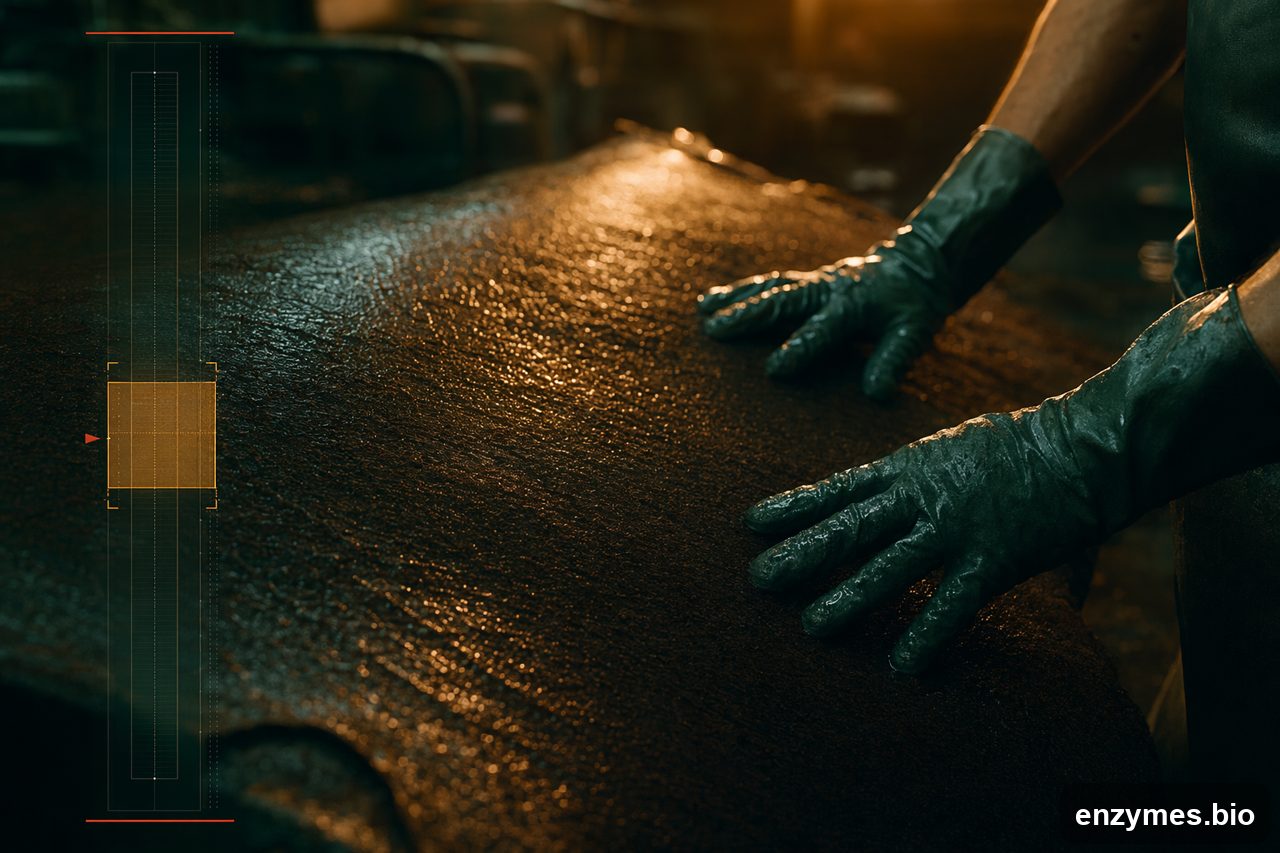
In a typical leather process, bating follows deliming and prepares the pelt for downstream pickling, tanning, retanning, dyeing, and finishing. Papain acts on selected non-collagenous and residual protein materials that can interfere with softness, grain smoothness, and chemical penetration.
Used correctly, Papain can help:
- Improve softness and drape by moderating residual protein structures in the pelt
- Support a cleaner grain by assisting removal or modification of scud and surface residues
- Improve process consistency when raw hides vary by season, origin, age, or preservation method
- Reduce reliance on harsh mechanical correction later in production
- Help create a more uniform substrate for retanning, dyeing, fatliquoring, and finishing
Industrial Outcomes for Tanneries
Softer Handle With Controlled Grain
Leather buyers often judge softness and break before they examine the chemistry behind it. Papain gives process teams a controllable route to softness development while protecting against the loose grain and over-opened structure that can result from aggressive bating.
Cleaner Surface Preparation
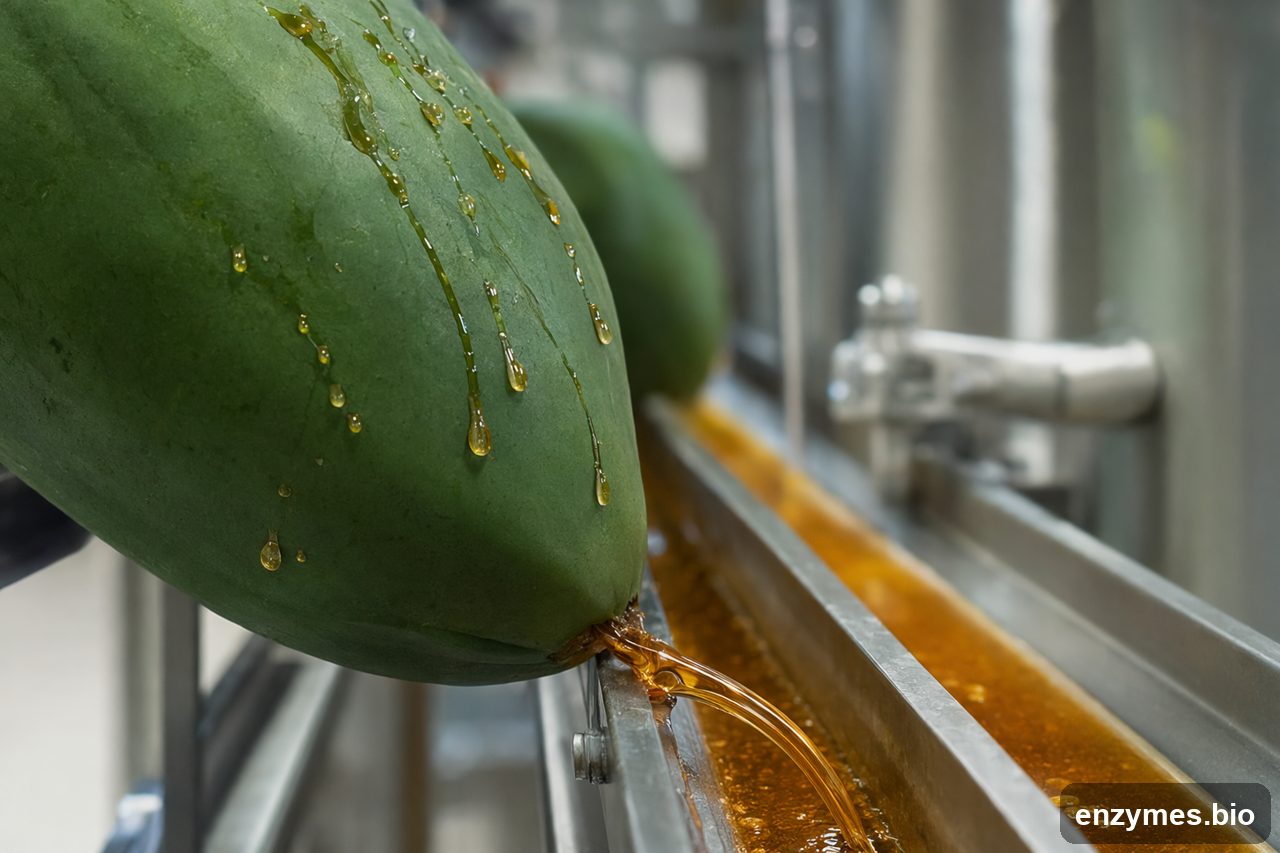
Papain can assist in reducing proteinaceous residues that remain after upstream beamhouse operations. This can contribute to better grain clarity, more even wet processing, and fewer visible inconsistencies in finished articles.
More Predictable Chemical Uptake
A well-bated pelt generally accepts downstream chemicals more uniformly. By supporting substrate consistency before tanning and retanning, Papain can help reduce variation in dyeing response, fullness, and final touch.
Process Efficiency Without Overcorrection
When bating performance is inconsistent, tanneries often compensate with longer mechanical action, recipe adjustments, or finishing corrections. A qualified Papain source helps bring the control point back into the drum, where process engineers can manage time, temperature, pH, float, and mechanical action with intention.
Application Areas
Papain can be evaluated for:
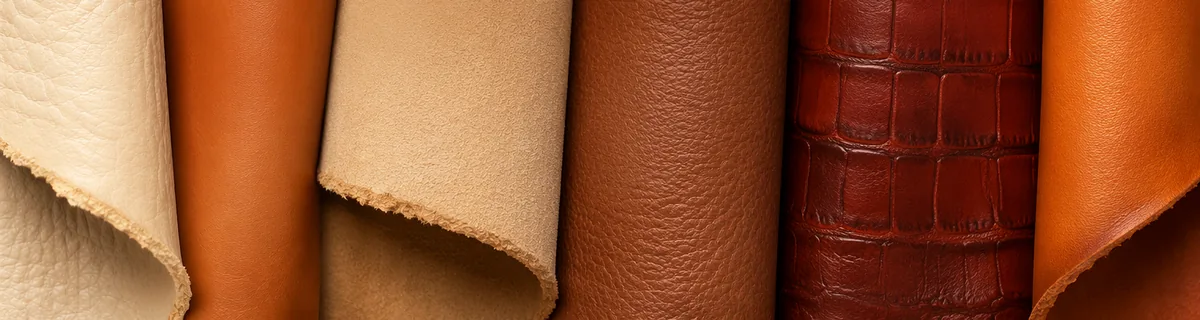
- Bovine upper leather requiring balanced softness and grain tightness
- Upholstery and automotive leather where uniform handle and surface consistency matter
- Garment and gloving leather where suppleness is a primary specification
- Ovine, caprine, and specialty skins requiring gentle enzymatic modification
- Recipe optimization where conventional bating performance is variable or difficult to reproduce
Formulation and Process Considerations
Papain is an active protease. Its performance depends on the complete processing environment, not the enzyme alone. During qualification, teams should evaluate:
- Deliming completeness before bating begins
- Process pH and its stability during the bating window
- Temperature profile and drum mechanical action
- Hide or skin type, thickness, preservation history, and raw material variability
- Target article requirements for softness, tightness, fullness, and grain break
- Compatibility with other beamhouse auxiliaries used in the same stage
The objective is not maximum proteolysis. The objective is controlled, reproducible modification that supports the final leather specification.
Procurement and Quality Priorities
For industrial buyers, Papain selection is not only a technical decision. It is also a supply and documentation decision. Papain Enzyme Solutions supports B2B teams with:
- Lot-to-lot supply planning for production continuity
- Technical documentation for internal qualification workflows
- Application discussion for trial design and scale-up
- Clear commercial communication for purchasing teams
- Packaging and handling options aligned with industrial use
Recommended Trial Approach
A practical qualification program should compare Papain against the tannery’s current bating process under controlled drum conditions. Start with a defined article target, maintain a clear untreated or standard-process reference, and evaluate both wet-end behavior and finished leather results.
Key observations should include:
- Grain cleanliness and surface smoothness
- Softness, drape, and fullness
- Grain tightness and break
- Uniformity across butt, belly, and shoulder regions
- Dyeing and fatliquoring response downstream
- Any change in shaving, setting-out, drying, staking, or finishing behavior
Why Papain
Papain Enzyme Solutions approaches Papain as an industrial material, not a generic ingredient. Our focus is practical enzyme integration: predictable handling, process-fit guidance, and commercial support for teams responsible for yield, quality, and repeatable leather performance.
If you are adjusting a bating recipe, qualifying a new enzyme source, or building a more consistent beamhouse process, our team can help define the right evaluation path.
Request a wholesale quote
We supply papain for leather bating and softening in bulk to manufacturers, distributors and resellers, on a quote-only basis. To get a recommendation and a price, send: the product or application, the quantity (trial lot, monthly or annual), the destination country, and the process step where the papain will be used. Format (powder or liquid) and pack size are quoted per order; tell us your preference if you have one.


