Papain in Brewing and Beverage Clarification
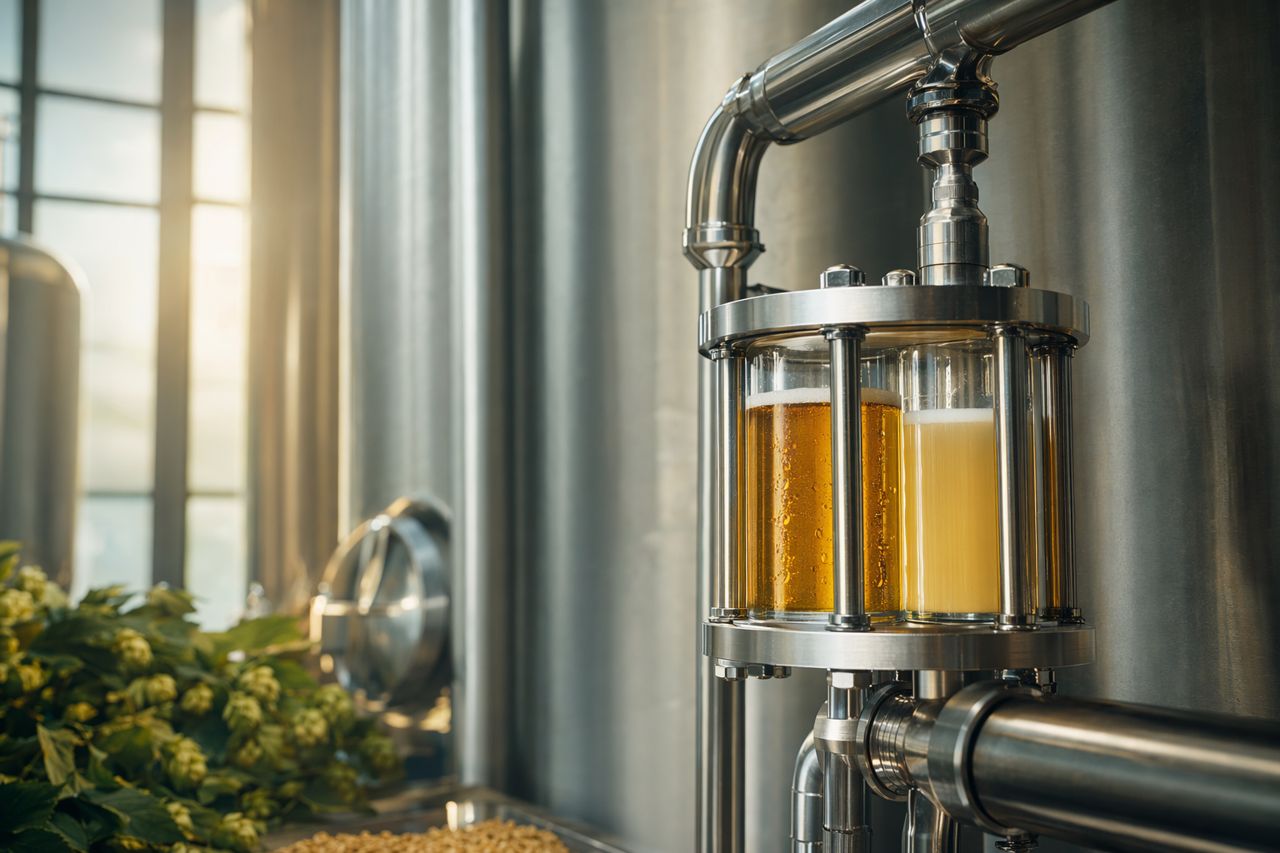
Protein haze is a small defect with outsized commercial consequences. In beer and selected beverages, haze-active proteins can interact with polyphenols, temperature changes, storage time, and process stress to create visible turbidity after packaging. Papain offers a targeted enzymatic route for reducing protein-driven haze risk while helping producers protect visual clarity, shelf presentation, and batch-to-batch consistency.
Papain Enzyme Solutions supplies Papain in bulk to breweries, beverage manufacturers and the distributors and resellers who supply them, for teams that need practical performance, lot discipline, and procurement clarity—not vague enzyme claims.
Buying for a plant or for resale? Brewing-grade papain is supplied to manufacturers, distributors and resellers on a quote basis; send the beverage, quantity and destination. Request a quote.
What Papain does in clarification systems
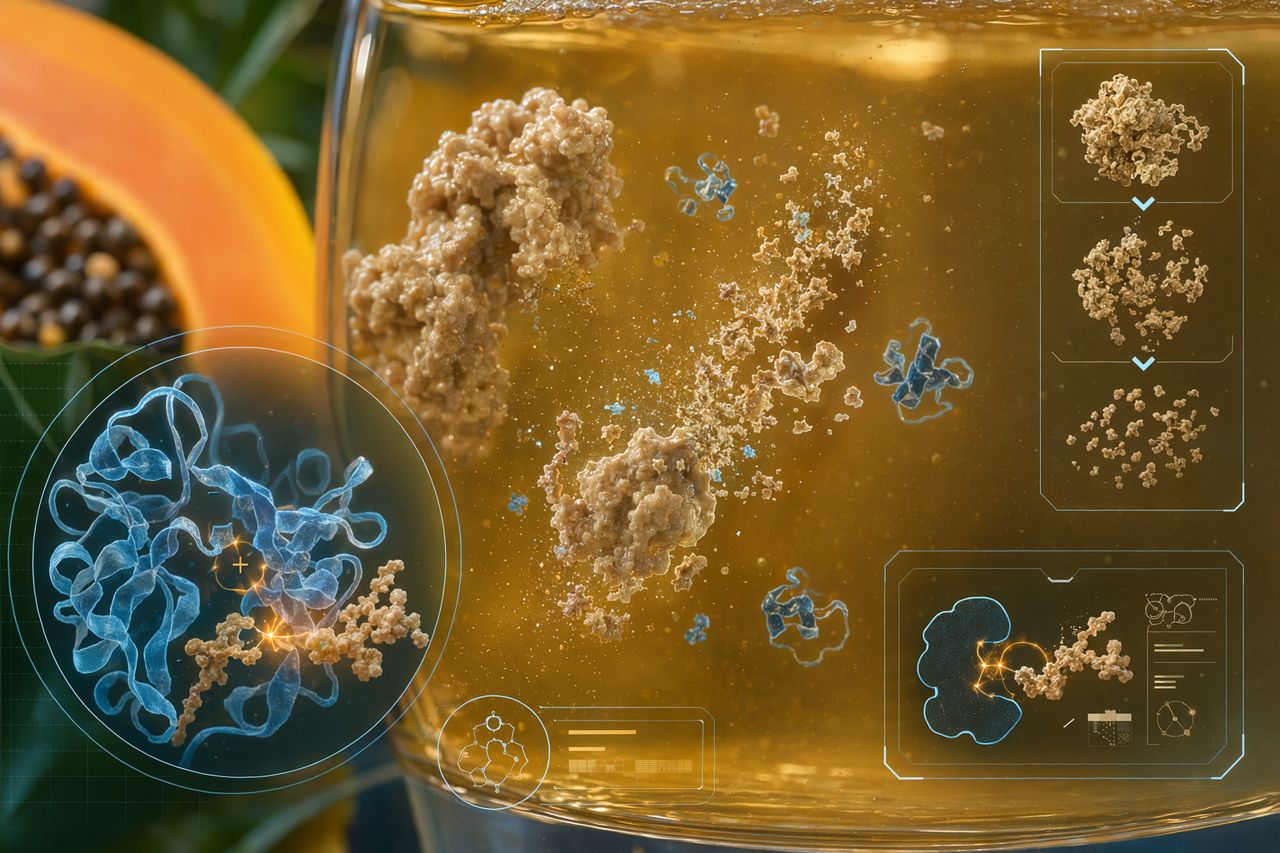
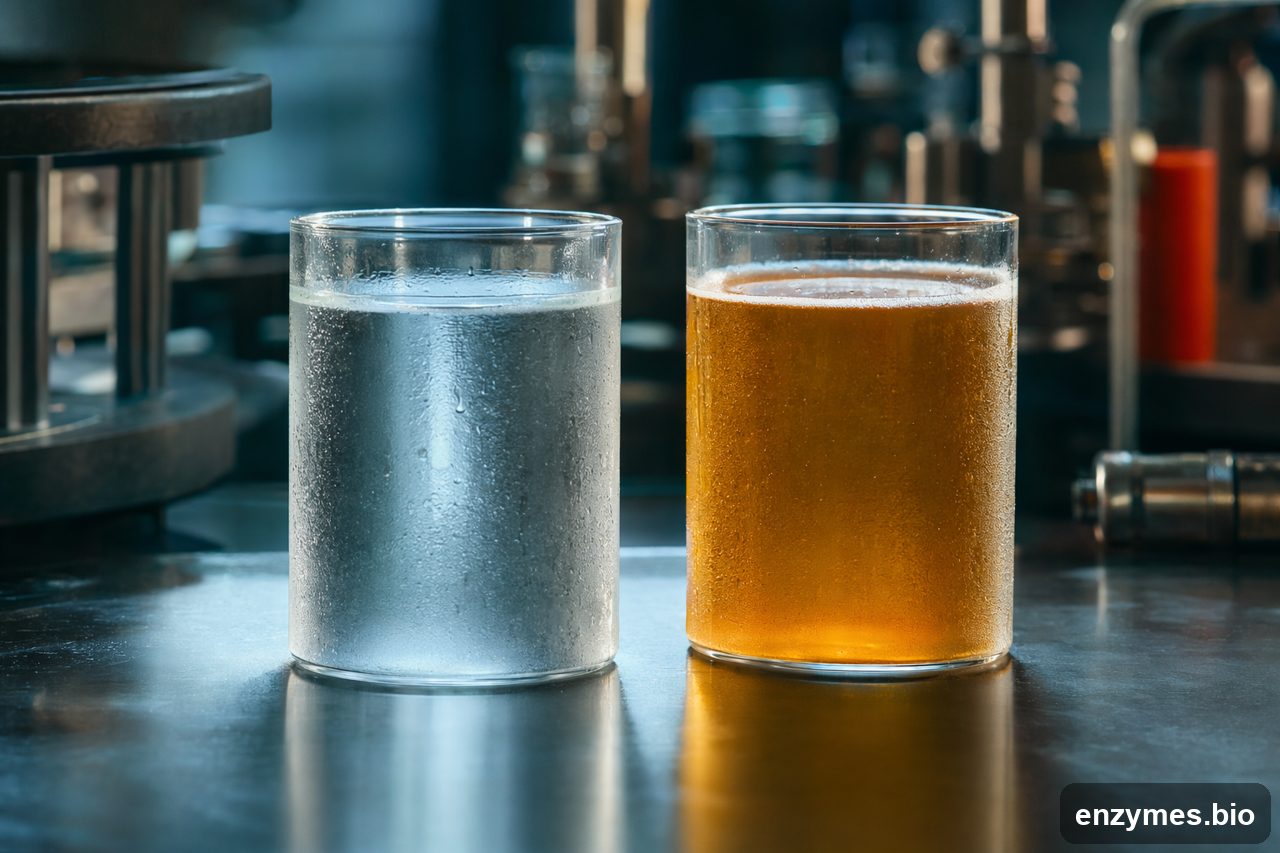
Papain is a plant-derived protease from papaya latex. In beverage processing, it can hydrolyze selected proteins and peptides that contribute to chill haze and storage haze. When evaluated correctly, Papain can help reduce reliance on purely physical correction steps and support more predictable final clarity.
Typical industrial objectives include:
- Reducing protein-related chill haze formation in beer
- Improving visual stability after cold storage or distribution stress
- Supporting clearer finished beverages where protein instability is a known contributor
- Reducing rework risk from late-stage turbidity
- Improving consistency across malt, adjunct, botanical, or extract variability
Papain is not a universal clarifier. It does not replace sound filtration, microbial control, pectin management, starch conversion, or polyphenol strategy. It is best used where protein haze has been identified as a meaningful part of the problem.
Where it fits in brewing
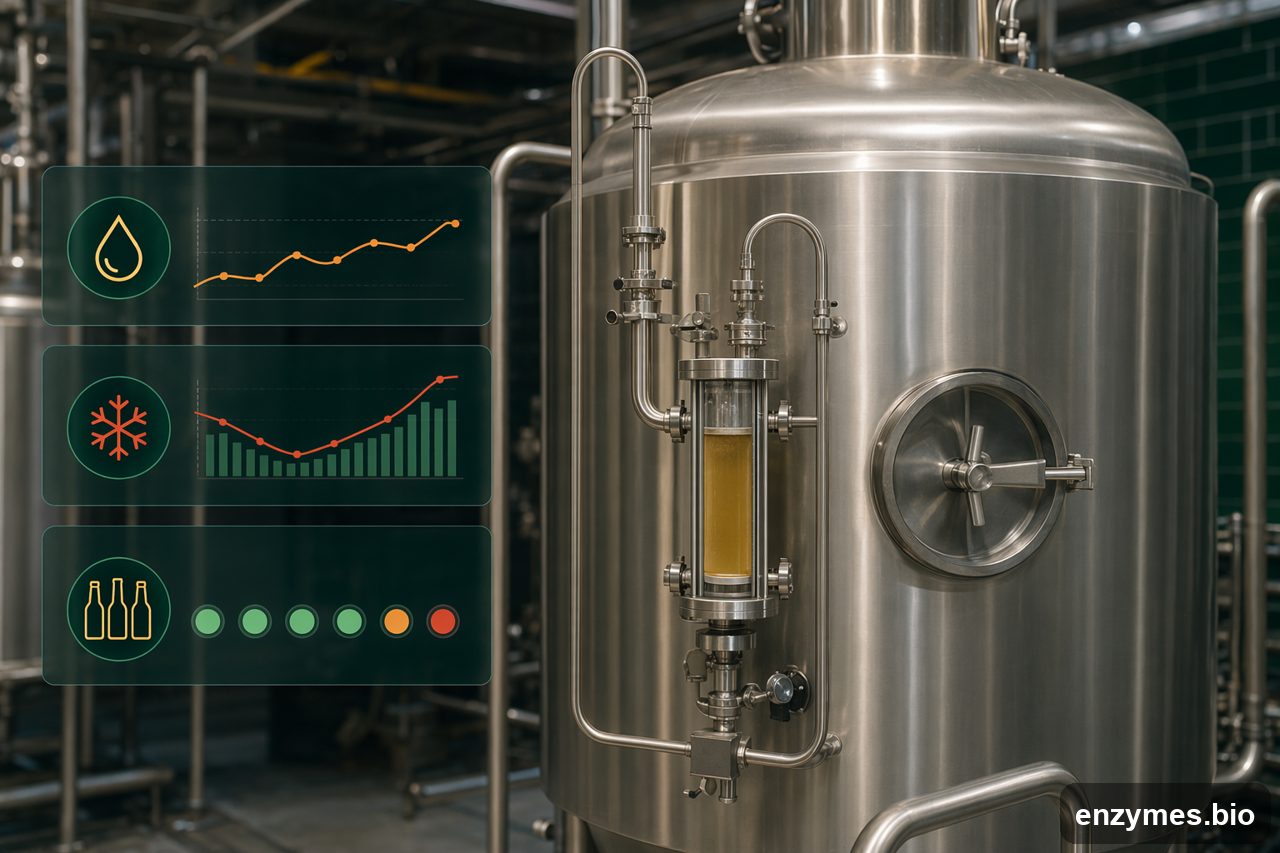
In brewing, Papain is commonly evaluated for chillproofing and haze-stability programs. It can be considered when a beer style, raw material stream, or packaging format requires improved brightness over time.
Potential use cases
- Lager, pilsner, and light beer programs with strict brightness targets
- Export or long-distribution beers exposed to cold-chain variation
- Beers with recurring chill haze after packaging
- Processes seeking to reduce corrective filtration pressure
- Pilot work comparing enzymatic stabilization against adsorbent or physical approaches
Formulation caution: foam and sensory balance
Foam-positive proteins also influence beer presentation. Over-treatment or poor process placement can affect foam quality, mouthfeel, or sensory balance. Papain should be trialed as part of a controlled stability program, not added as a blanket correction.
Recommended evaluation points include:
- Haze reduction after cold exposure
- Foam retention and lacing behavior
- Mouthfeel and perceived body
- Flavor neutrality after treatment
- Filtration impact and sediment behavior
- Packaged stability over the target shelf-life window
Beverage applications beyond beer
Papain may also be relevant in selected beverage systems where protein instability contributes to turbidity, sediment, or storage haze. Examples can include botanical drinks, tea-based beverages, fermented beverages, and fruit-adjacent systems where proteinaceous materials interact with tannins or other colloids.
The best candidates are products where the development team can clearly separate protein haze from pectin haze, starch haze, polyphenol precipitation, mineral instability, and microbial spoilage.
Process considerations for technical teams
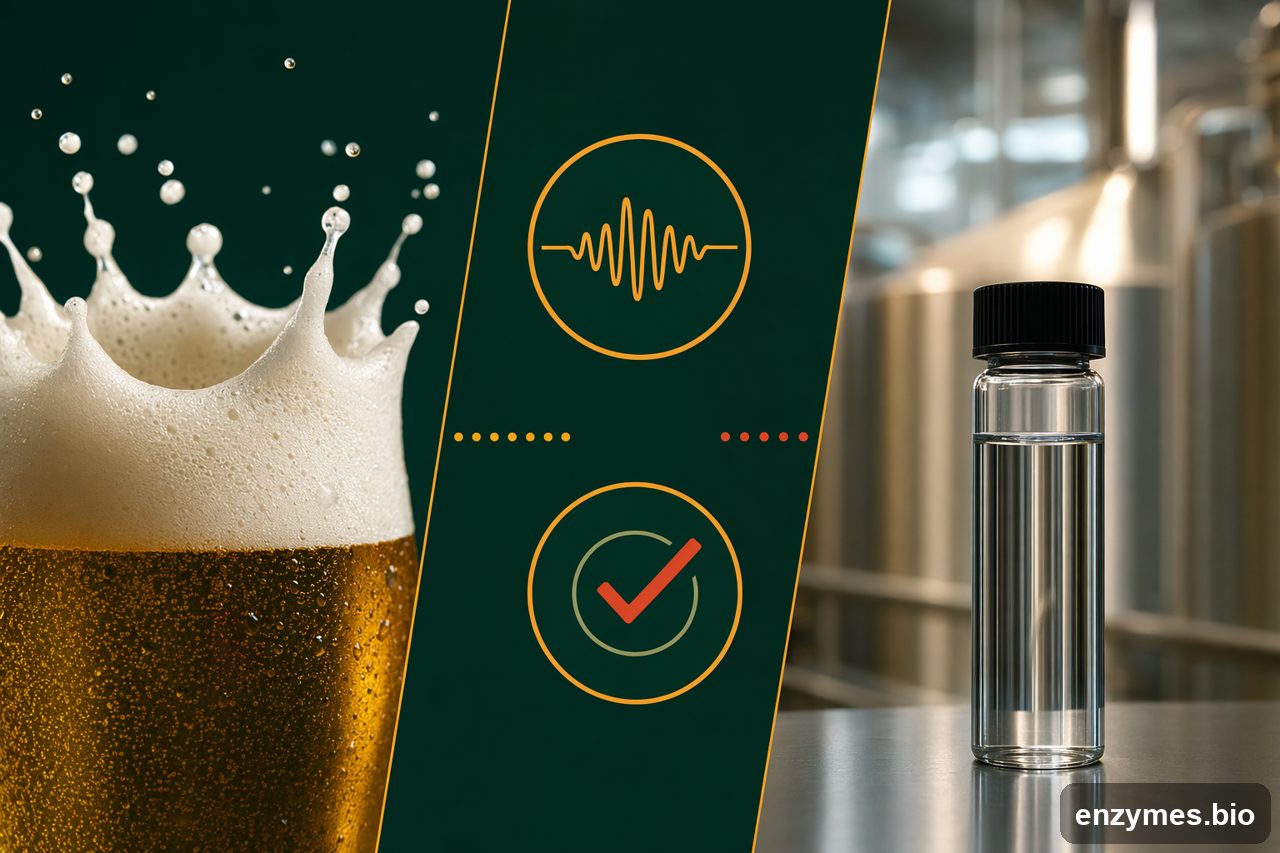
Papain performance depends on process context. Before commercial adoption, evaluate the enzyme against your actual beverage matrix, thermal profile, hold time, filtration design, and packaging goals.
Key variables to define during trials:
- Addition point in the process
- Contact time before stabilization or removal
- Beverage pH and temperature during treatment
- Impact on final turbidity after cold storage
- Compatibility with filtration aids and stabilization agents
- Carryover expectations in the finished product
- Local regulatory and labeling requirements
Where a process includes downstream heat treatment or filtration, those steps should be assessed for how they influence residual protease behavior and final product quality.
Why formulation teams choose Papain
Papain is positioned for B2B users who need predictable sourcing, technical documentation, and process-fit support.
Available for industrial procurement programs
- Food-grade Papain options for beverage and brewing evaluation
- Powder and application-specific formats subject to project requirements
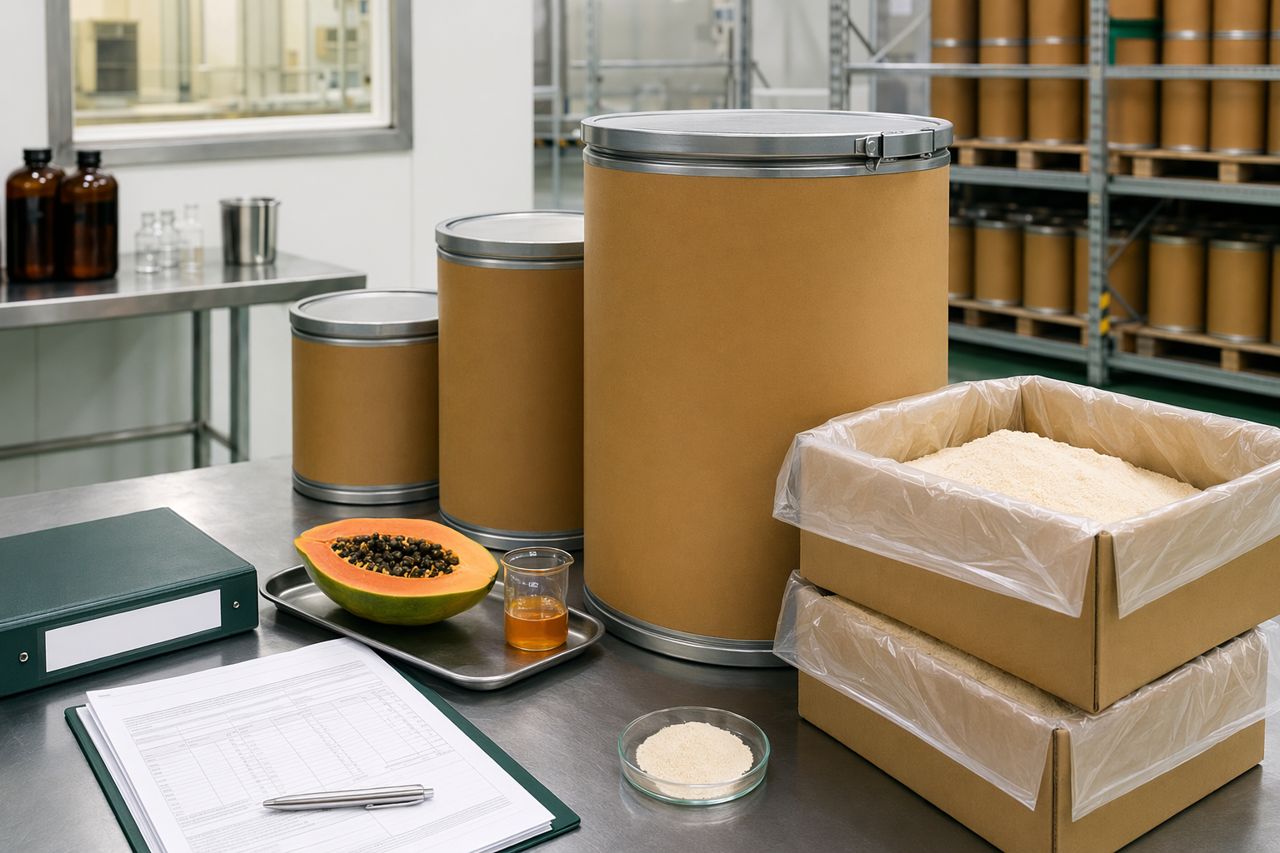
- Lot documentation available for qualified customers
- COA and SDS support
- Origin, allergen, and regulatory documentation on request
- Packaging formats aligned to pilot, scale-up, and recurring production needs
What we help you evaluate
Our technical discussions focus on the practical questions that determine whether Papain belongs in your clarification program:
- Is the haze primarily protein-related?
- Where should Papain be placed in the process?
- How can clarity gains be measured without compromising foam or mouthfeel?
- What documentation will procurement and quality teams require?
- How should pilot results translate into a repeatable production specification?
Buyer notes: when Papain is a good fit
Papain is worth evaluating when:
- Protein haze is confirmed or strongly suspected
- Finished clarity or chill stability is commercially important
- Your process can accommodate a controlled enzymatic treatment step
- Foam, body, and sensory impact can be measured during trials
- Procurement requires a documented, food-grade enzyme supply
Papain may not be the right first intervention when haze is caused primarily by microbial instability, pectin, starch, mineral precipitation, or uncontrolled raw-material solids.
Request a wholesale quote
We supply papain for beer chillproofing and beverage haze control in bulk to manufacturers, distributors and resellers, on a quote-only basis. To get a recommendation and a price, send: the product or application, the quantity (trial lot, monthly or annual), the destination country, and the process step where the papain will be used. Format (powder or liquid) and pack size are quoted per order; tell us your preference if you have one.