Papain for Fish Protein Processing
Papain gives fish and seafood processors a controlled enzymatic route to modify protein functionality, improve raw-material utilization, and build consistent peptide-based ingredients from variable marine substrates.
Papain Enzyme Solutions supplies Papain in bulk to hydrolysate producers, surimi and seafood processors, ingredient manufacturers, rendering-adjacent operations and the distributors who serve them, positioned for practical plant use: predictable proteolysis, process compatibility, and procurement documentation that supports scale-up decisions.
Buying for a plant or for resale? Seafood-grade papain is quoted per order for manufacturers, distributors and resellers; send the substrate, quantity and destination. Request a quote.

Why Papain fits fish and seafood substrates
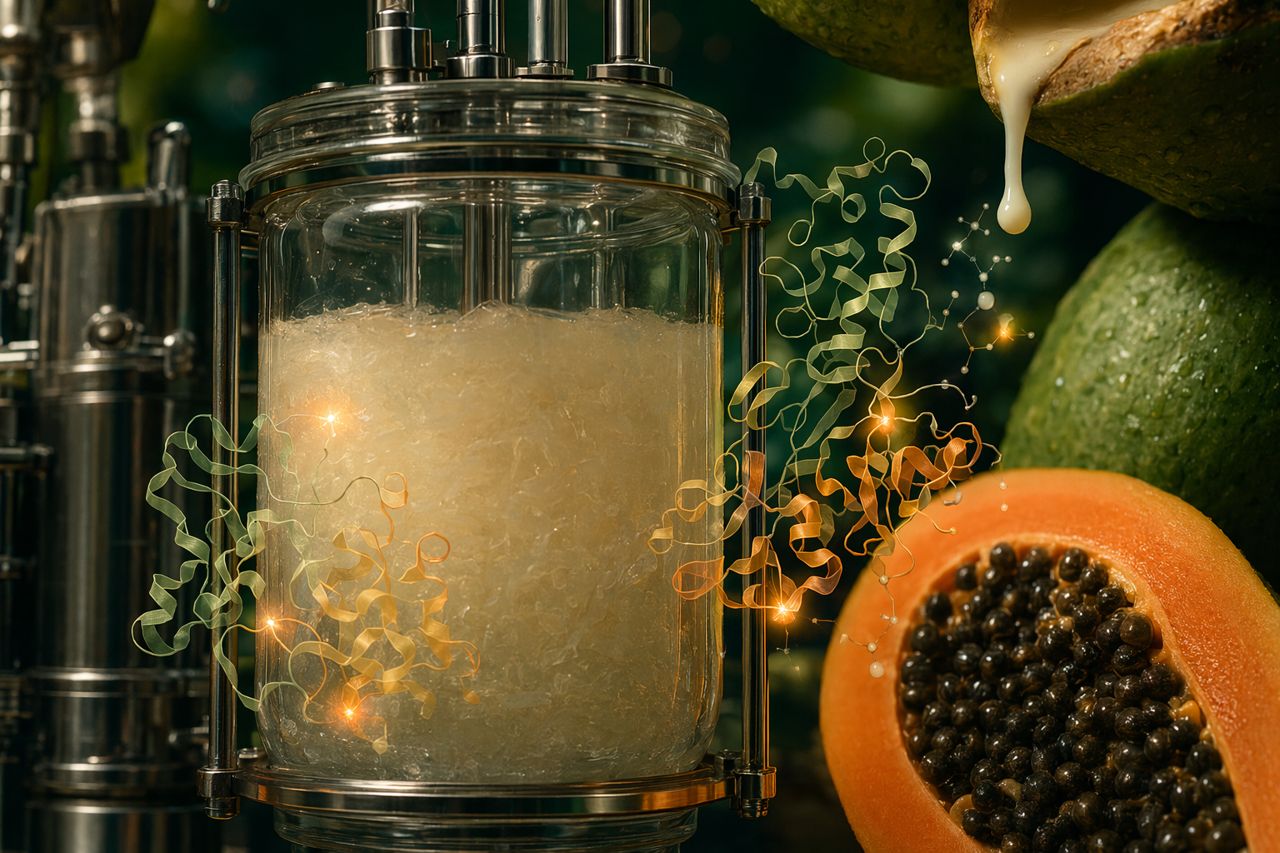
Papain is a plant-derived cysteine protease from papaya latex. In fish protein processing, its value comes from broad protein cleavage behavior and a formulation-friendly profile across common aqueous processing conditions.
Used correctly, Papain can help processors:
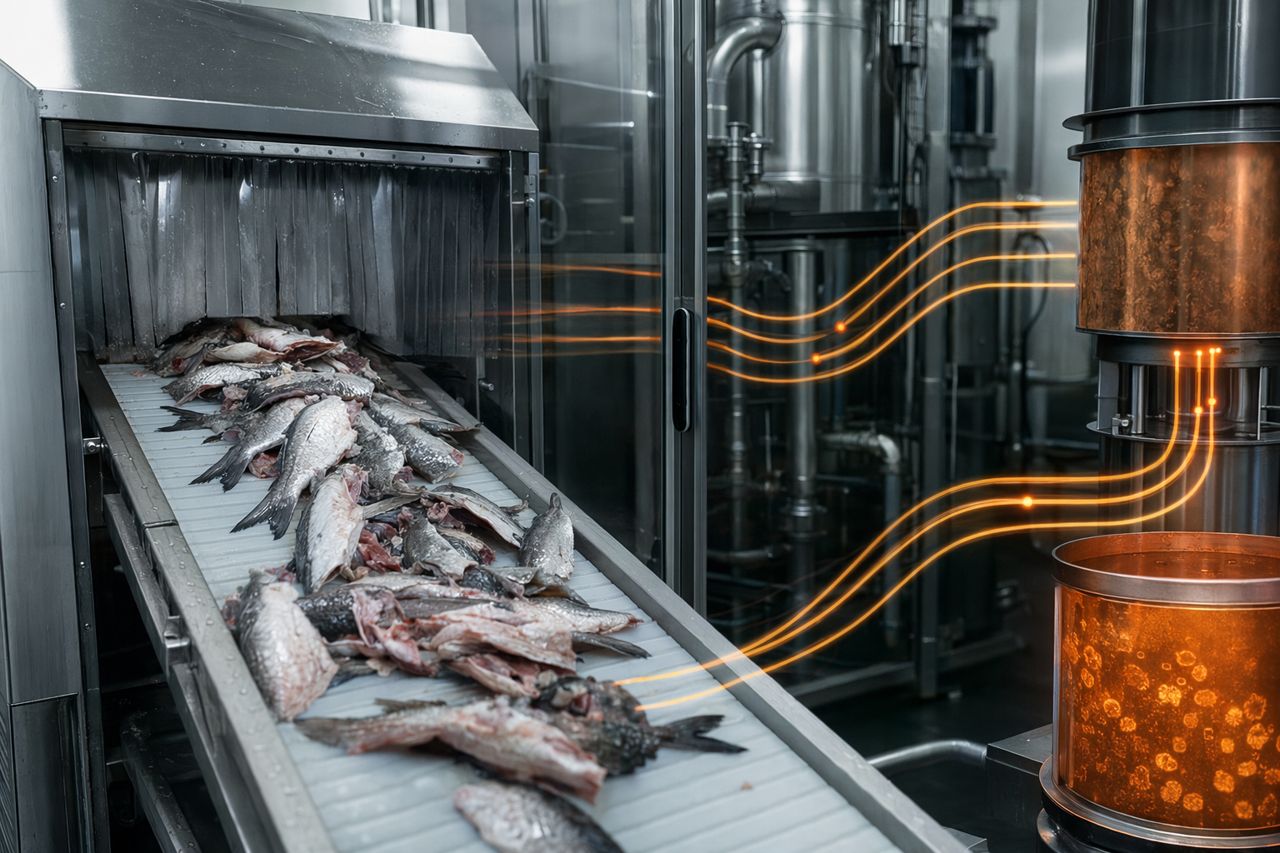
- Convert fish frames, skins, trimmings, heads, viscera-adjacent streams, and mince into higher-value soluble protein fractions
- Support controlled fish protein hydrolysate production
- Adjust texture in selected seafood softening or tenderization steps
- Develop peptide ingredients for savory systems, nutrition blends, pet food, aquafeed, and fermentation inputs
- Improve consistency where incoming fish substrates vary by species, season, freshness, fat level, or prior handling
The goal is not simply to “break down protein.” The commercial goal is to produce a defined process outcome: yield, clarity, viscosity, flavor direction, filtration behavior, texture, or downstream drying performance.
Application areas
Fish protein hydrolysate production
Papain can support enzymatic hydrolysis of marine proteins into soluble peptides and amino-acid-rich fractions. Compared with harsh chemical hydrolysis, enzymatic processing offers a more controlled path for managing peptide profile, color, aroma, and downstream ingredient positioning.
Common objectives include:
- Increasing soluble protein recovery from underutilized fish fractions
- Producing pumpable hydrolysate streams for concentration or drying
- Supporting nutritional ingredient development
- Creating savory base notes for flavor systems
- Preparing protein fractions for pet food, aquafeed, or fermentation media
Process teams typically evaluate Papain against target hydrolysis extent, sensory profile, bitterness risk, emulsion behavior, and separation performance.
Seafood softening and texture adjustment
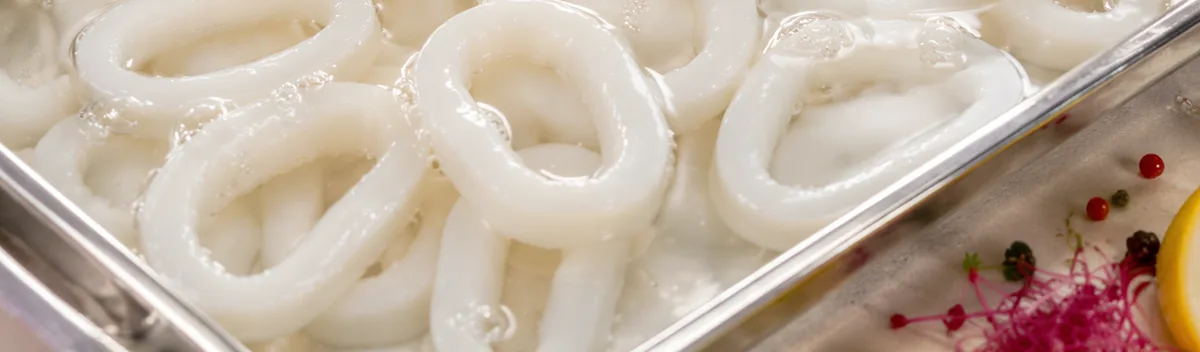
In selected seafood applications, Papain can assist with controlled softening. This may be relevant where processors need to improve bite, reduce toughness, or standardize texture across raw-material variability.
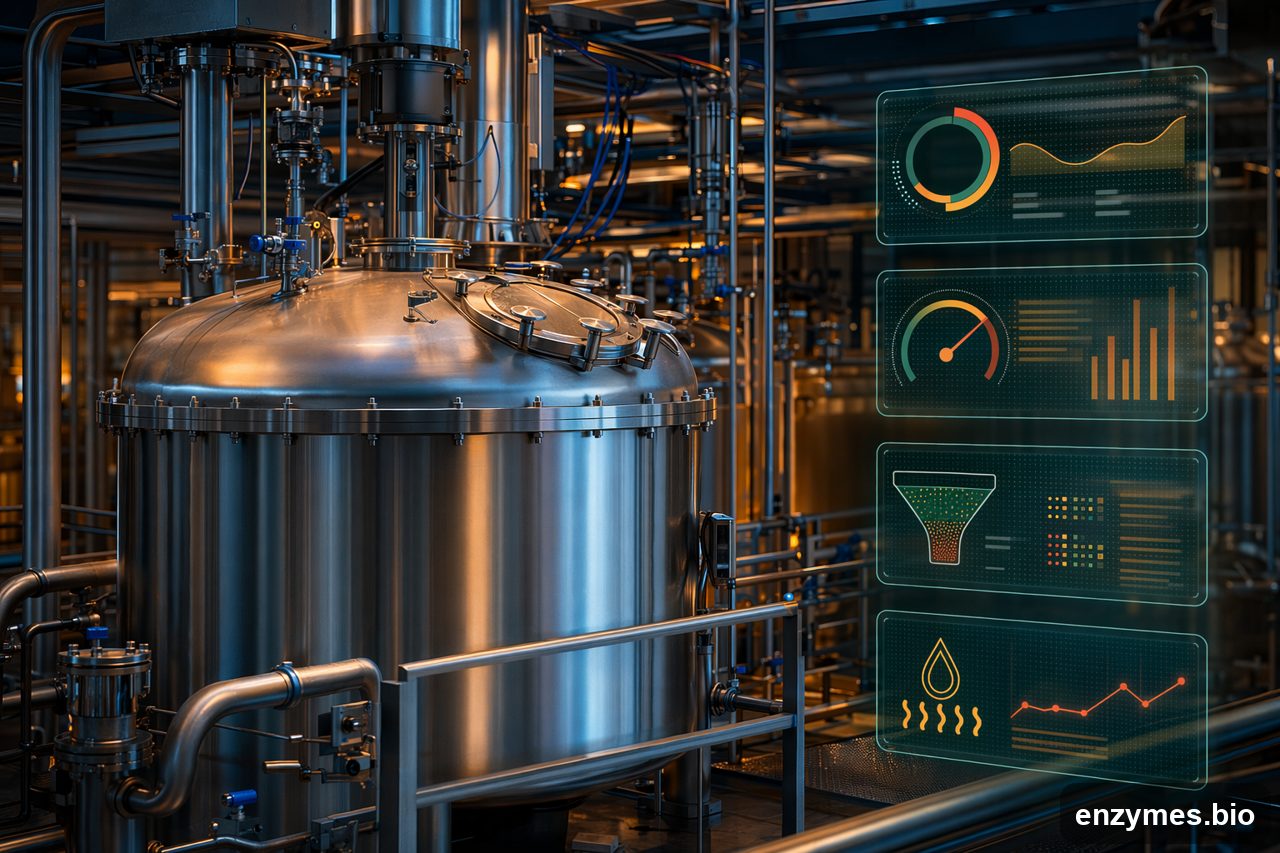
The key is control. Over-processing can create mushy texture, excessive purge, or weak bite. Papain Enzyme Solutions recommends staged trials that define enzyme contact time, substrate geometry, temperature profile, salt level, and inactivation point before moving to production scale.
By-product valorization
Fish processing generates protein-rich side streams that often carry more value than commodity disposal routes allow. Papain can help convert these streams into usable hydrolysate fractions, supporting circular processing and stronger raw-material economics.
Suitable evaluation streams may include:
- Whitefish frames and mince residues
- Tuna, salmon, cod, tilapia, pollock, and mixed-species trimmings
- Skin and collagen-adjacent fractions where peptide generation is desired
- Seafood processing side streams intended for pet nutrition, feed, flavor, or fertilizer-adjacent ingredient systems
Substrate freshness, lipid oxidation, ash content, bone load, and prior thermal exposure all influence final quality. Enzyme selection is only one part of the processing equation.
Peptide ingredient development
Papain can be used as a tool for building peptide ingredients with specific functional or sensory targets. Depending on process design, hydrolysates may be directed toward solubility, umami contribution, nitrogen delivery, digestibility positioning, or compatibility with spray drying and blending.
For B2B ingredient programs, Papain Enzyme Solutions focuses on repeatability: controlled raw-material preparation, documented processing windows, and procurement specifications that reduce lot-to-lot uncertainty.
Process design considerations
Papain performance depends on the complete production system. Before committing to plant-scale volumes, evaluate the enzyme under realistic substrate and equipment conditions.
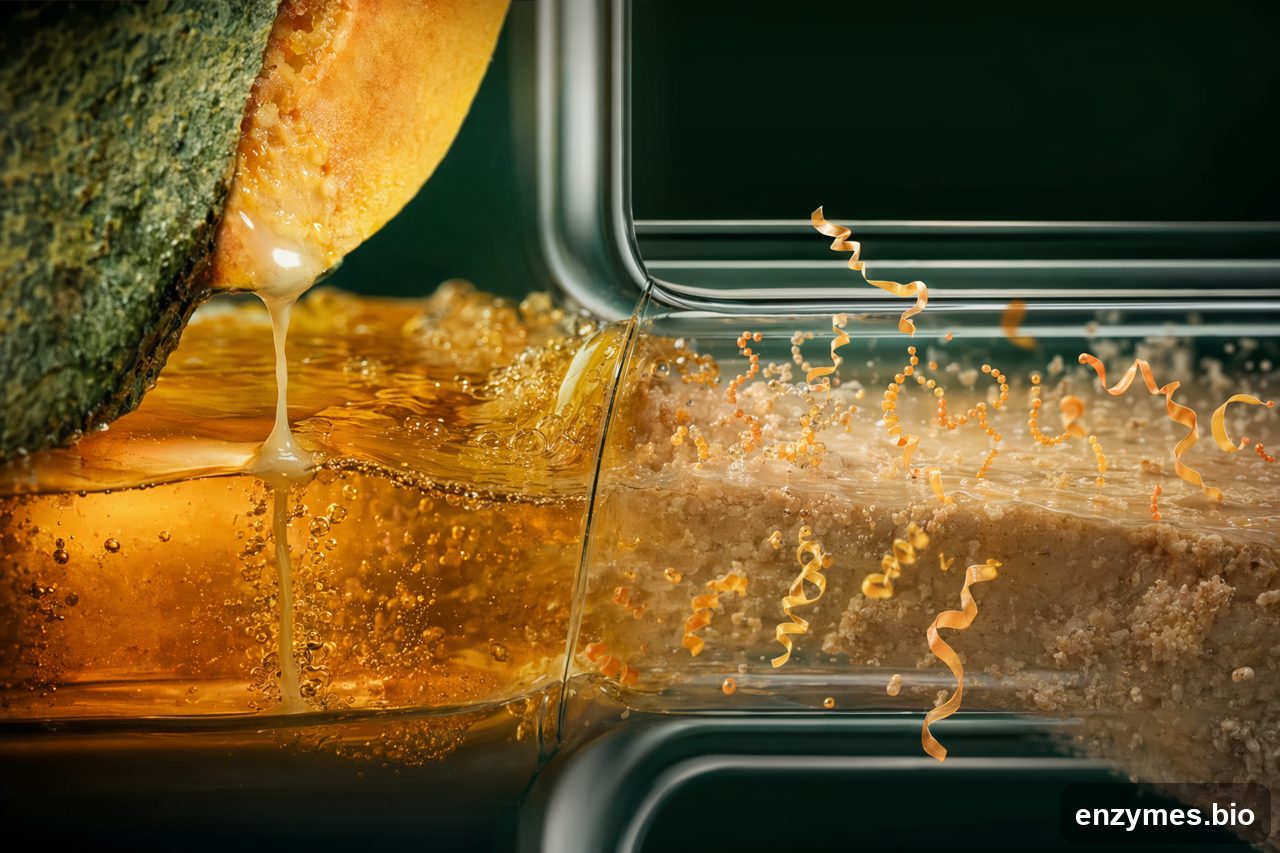
1. Define the target before the trial
A useful Papain trial starts with a measurable production goal. Examples include:
- Higher soluble protein recovery
- Lower slurry viscosity before separation
- Improved filtration or centrifugation behavior
- Specific sensory direction, such as cleaner marine notes or stronger savory intensity
- Consistent tenderization without texture collapse
- Better drying behavior for powder production
2. Prepare the substrate consistently
Fish substrates vary substantially. Trial design should record species, fraction type, particle size, fat level, freshness, water addition, salt content, and thermal history. Small changes can alter hydrolysis speed and finished quality.
3. Control contact time and inactivation
Papain continues working while conditions remain favorable. For texture and hydrolysate applications, process teams should define an inactivation step that reliably stops the reaction at the desired point. In production, this is often as important as enzyme addition.
4. Watch sensory development
Marine hydrolysates can develop bitterness, oxidized notes, or overly strong aroma if the process is pushed too far or if substrate quality is poor. Sensory checks should be built into bench, pilot, and production validation.
5. Match the enzyme to downstream separation
Hydrolysate particle distribution, viscosity, oil release, and insoluble load affect decanting, centrifugation, membrane handling, evaporation, and spray drying. Papain trials should be evaluated against the full process train, not only the reaction vessel.
Procurement and specification priorities
For industrial seafood processing, Papain purchasing should be based on more than headline potency. Procurement teams should request documentation that supports consistent manufacturing and regulatory review.
Key buying criteria include:
- Lot-to-lot proteolytic performance consistency
- Food-grade suitability for the intended market
- Clear country-of-origin and manufacturing documentation
- Microbiological, heavy metal, and contaminant controls appropriate to the application
- Allergen and dietary-positioning statements where required
- Solubility and handling characteristics compatible with plant dosing systems
- Packaging format aligned with storage, sanitation, and production rhythm
- Technical support for pilot trials and scale-up review
Papain Enzyme Solutions can support procurement conversations with application-focused documentation and practical trial guidance.
Where Papain may not be the right fit
Papain is powerful. It is not ideal for every seafood process. It may be unsuitable where the finished product must retain firm intact muscle structure, where substrate freshness is inconsistent, or where bitterness management cannot be controlled. In some systems, a blended protease strategy or a different enzyme class may provide a better result.
The best approach is targeted validation: define the finished-product requirement, run controlled trials, and compare outcomes against yield, sensory quality, texture, processing time, and total cost-in-use.
Typical users
Papain for fish protein processing is commonly evaluated by:
- Fish protein hydrolysate manufacturers
- Seafood processors developing value-added streams
- Pet food and aquafeed ingredient producers
- Savory flavor and reaction flavor manufacturers
- Nutrition ingredient developers
- Process engineers improving recovery from side streams
- Procurement teams qualifying enzyme supply for industrial use
Request a wholesale quote
We supply papain for fish protein hydrolysates, seafood texture and by-product lines in bulk to manufacturers, distributors and resellers, on a quote-only basis. To get a recommendation and a price, send: the product or application, the quantity (trial lot, monthly or annual), the destination country, and the process step where the papain will be used. Format (powder or liquid) and pack size are quoted per order; tell us your preference if you have one.